Transplant

A transplant is a medical procedure in which a healthy organ, tissue or blood-forming stem cells are transferred from a donor to a person whose own organ or cells are no longer functioning properly.

Every transplant journey is unique and involves careful medical evaluation, donor matching, surgery, lifelong follow-up and medications to help the body accept the transplanted organ or cells.

Transplant Types

Types of Transplants

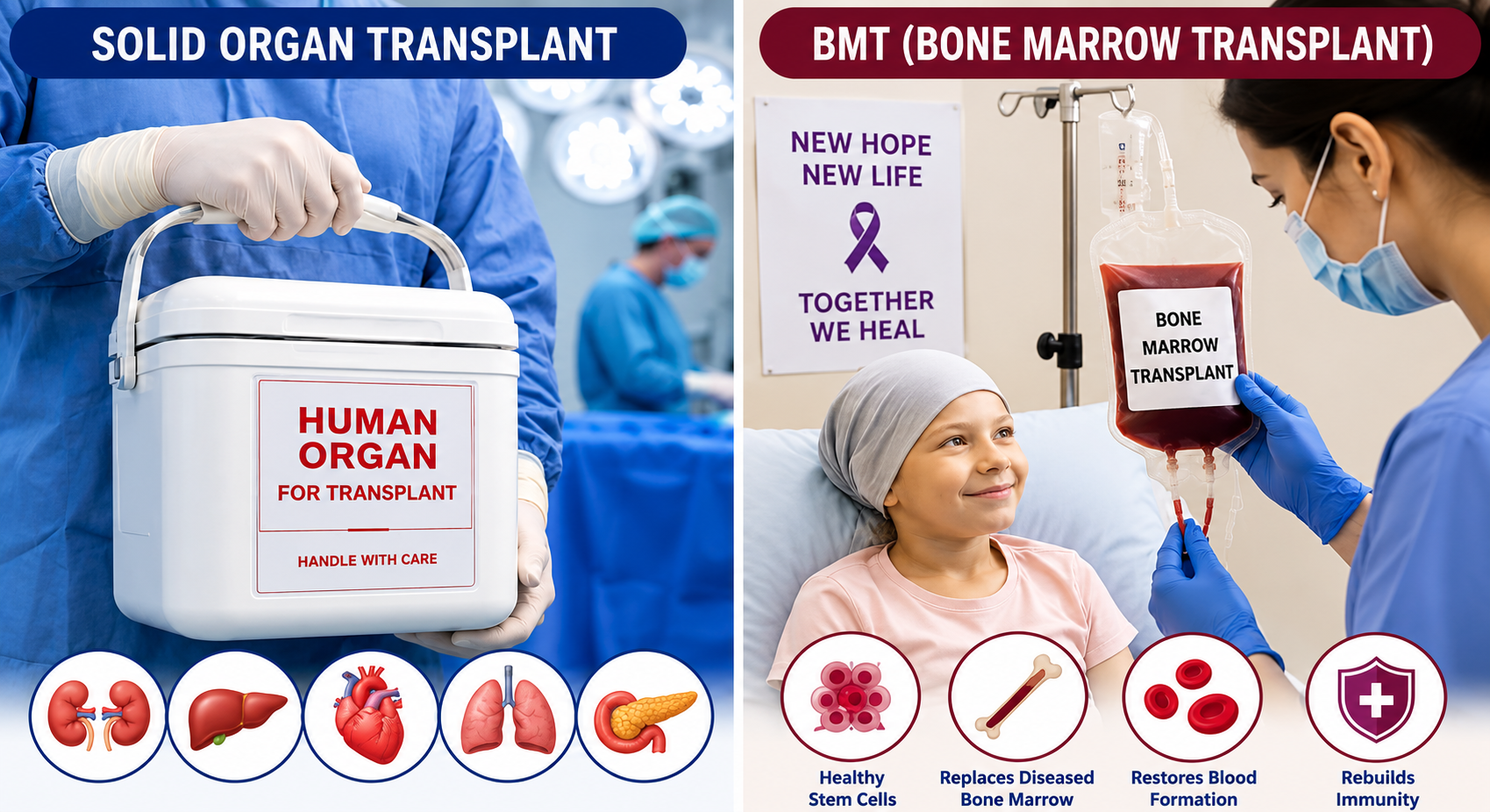
Transplantation is categorised primarily into biological organ or tissue replacement:

  • Solid Organ Transplant (SOT): Solid organ transplantation replaces a damaged organ with a healthy donor organ. The most commonly transplanted organs include Kidney, Liver, Heart, Lung, and Pancreas.
  • Bone Marrow Transplant (BMT): Also known as a Hematopoietic stem cell transplant, this replaces damaged or diseased bone marrow with healthy stem cells. It is used to treat certain blood disorders, immune deficiencies, and cancers affecting the blood and bone marrow.
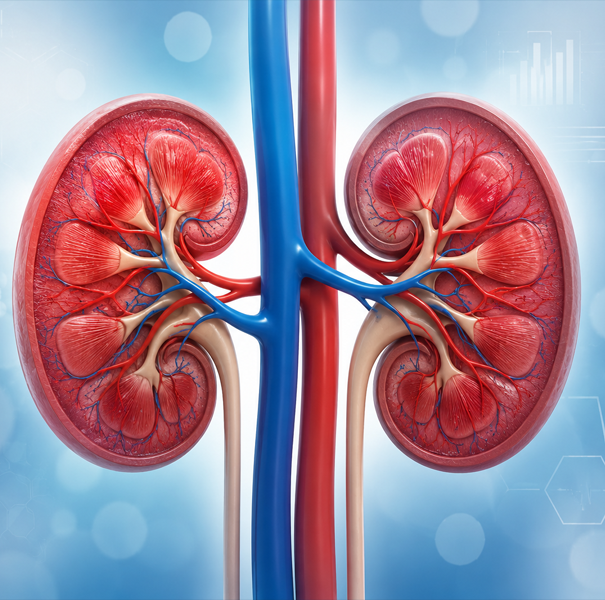
Renal Transplant Illustration
Kidney Transplant

What is a Kidney Transplant?

A kidney transplant is a surgical procedure in which a healthy kidney from a living or deceased donor is placed into a person whose kidneys are no longer able to function adequately. It is considered the preferred treatment for many patients with end-stage kidney disease (ESKD), offering better quality of life and improved long-term survival compared with long-term dialysis for many suitable patients.

Where Does a Donor Kidney Come From?

A kidney for transplantation is donated by a healthy individual or through organ donation after death. There are two main sources of donor kidneys:

Living Donor

A healthy person donates one of their kidneys to a patient with kidney failure. Living donors are often family members, spouses, friends or other legally approved donors.

Deceased Donor

A kidney is donated by a brain-dead donor after a person's death through an organ donation program. Patients without a suitable living donor may receive a kidney through the transplant waiting list.

What Happens If My Living Donor Is Not Compatible?

Sometimes, a willing living donor cannot donate directly because their blood group or tissue type is not compatible with the recipient. Fortunately, modern transplant medicine offers additional options:

  • ABO-Incompatible Kidney Transplant
    Transplantation is performed despite different blood groups using special preparation and medications.
  • Swap (Kidney Paired Donation) Transplant
    Two or more incompatible donor-recipient pairs exchange donors so that each recipient receives a compatible kidney.

These advances have helped many more patients receive a successful kidney transplant, even when a direct donor match is not available.

Recipients

Who May Need a Kidney Transplant?

Your doctor may recommend a kidney transplant if you have advanced kidney failure and are medically fit for transplantation. Common conditions that may lead to a kidney transplant include:

  • Chronic Kidney Disease (CKD)
  • End-Stage Kidney Disease (ESKD)
  • Kidney failure requiring dialysis
  • Inherited kidney diseases such as polycystic kidney disease
  • Congenital or autoimmune kidney disorders

Early Evaluation: Early evaluation for transplantation can improve treatment options and outcomes.