Chronic Kidney Disease (CKD) is a growing Global health challenge affecting millions of people worldwide.
According to The Lancet, approximately 850 million people are living with CKD and nearly 4 million individuals require kidney replacement therapy for kidney failure. By 2050, CKD is projected to become the fifth leading cause of death worldwide highlighting the importance of early detection, regular monitoring and effective management.
Understanding Your Kidneys
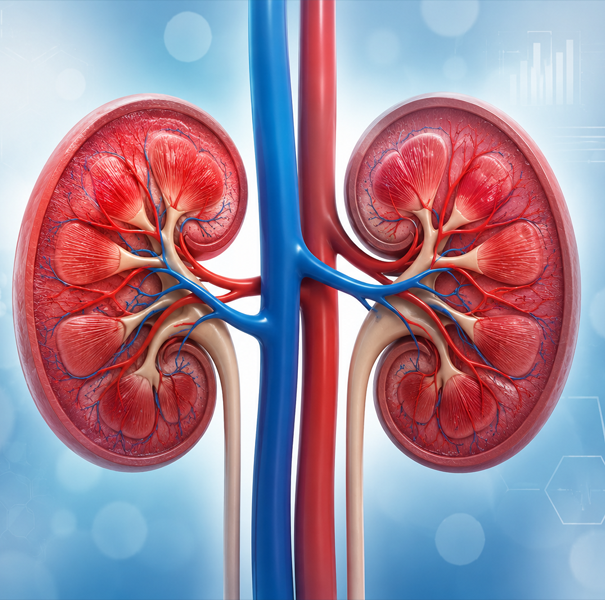
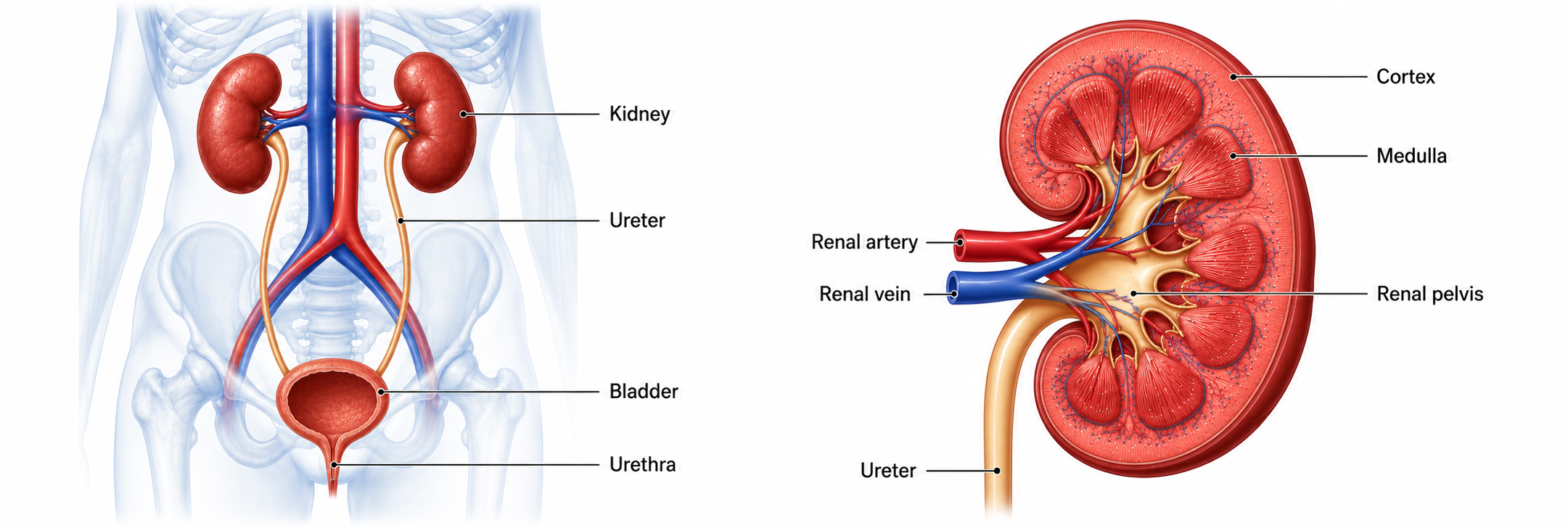
The Kidneys are two bean-shaped organs located on either side of the spine, just below the rib cage. Each Kidney is about the size of a fist and contains nearly one million tiny filtering units called Nephrons, which continuously clean the blood and produce urine.
How Do the Kidneys Work?
Every day, the Kidneys filter approximately 180 litres of blood, removing waste products and excess fluid while returning essential nutrients back to the bloodstream. The waste and extra water are converted into about 1–2 litres of urine, which is then eliminated from the body.
Understand Your Disease
Chronic Kidney Disease (CKD) is a long-term condition in which the kidneys gradually lose their ability to filter waste products and excess fluid from the blood. Over time, this can affect the body's ability to maintain a healthy balance of fluids, electrolytes and other essential functions.
“CKD is defined as kidney damage or glomerular filtration rate (GFR) < 60 mL/min/1.73 m2 for 3 months or more, irrespective of the underlying cause”
GFR (Glomerular Filtration Rate) is a measure of how well your kidneys are functioning. A lower GFR indicates reduced kidney function.
Creatinine is a waste product that is normally removed from the blood by healthy kidneys. A high creatinine level may indicate that the kidneys are not filtering waste effectively.
In early stages, CKD often causes few or no symptoms, making regular screening especially important for people with Diabetes, High blood pressure or other risk factors.
How is CKD Diagnosed?
Your doctor may recommend the following tests to detect and evaluate kidney health:
- Serum Creatinine: Measures the level of creatinine in your blood to check how well your kidneys are filtering waste.
- eGFR (Estimated Glomerular Filtration Rate): Evaluates your kidney filtration rate based on creatinine levels, age, and sex.
- Urine Albumin-to-Creatinine Ratio (UACR): Identifies early signs of kidney damage by measuring protein levels in the urine.
Functions of the Kidneys
Filter Waste Products
Remove waste products, toxins and excess fluid from the blood through urine
Maintain Fluid Balance
Regulate the amount of water in the body to prevent dehydration or fluid overload
Balance Electrolytes
Maintain healthy levels of sodium, potassium, calcium, phosphorus and other minerals that are essential for normal body function
Maintain Acid-Base Balance
Help regulate the body's pH by removing excess acids and maintaining a healthy chemical balance in the blood
Hormonal & Bone Support Functions
-
Control Blood Pressure
Produce renin, a hormone that helps regulate blood pressure and maintain healthy circulation -
Support Red Blood Cell Production
Produce erythropoietin (EPO), a hormone that stimulates the bone marrow to produce red blood cells and helps prevent anemia -
Keep Bones Strong
Convert vitamin D into its active form (calcitriol), helping the body absorb calcium and maintain healthy bones
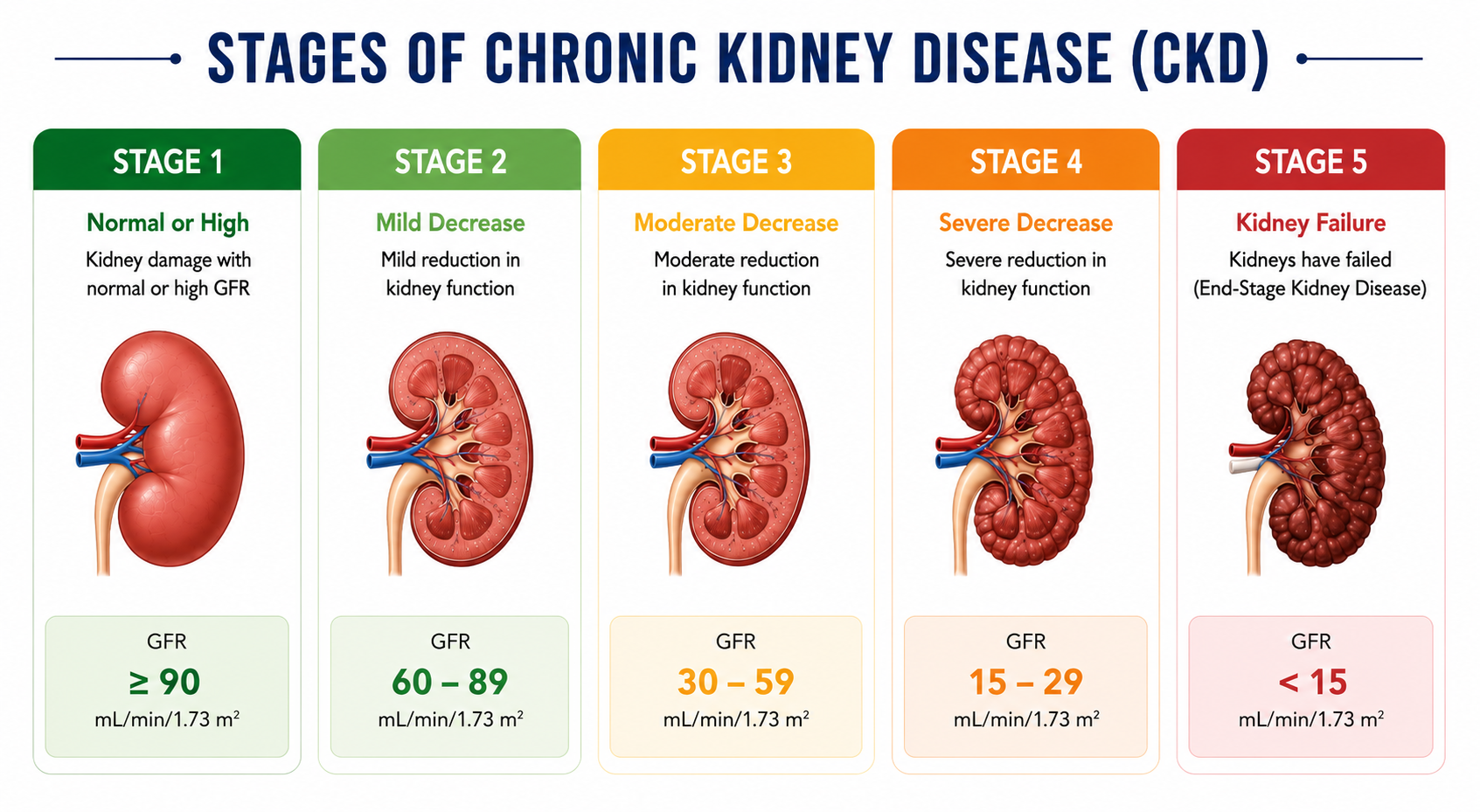
Stages of Chronic Kidney Disease
Stage 1 – Kidney Damage with Normal Kidney Function
The kidneys are functioning well but show signs of damage such as protein in the urine or abnormal imaging
Stage 2 – Mild Reduction in Kidney Function
Kidney function is mildly reduced but many people have few or no symptoms
Stage 3 – Moderate Reduction in Kidney Function
Waste products begin to build up in the body, and complications such as anemia, high blood pressure or bone disease may develop
Stage 4 – Severe Reduction in Kidney Function
Kidney function is severely reduced and complications such as Anemia, High blood pressure, Bone disease and Fluid retention become more common. At this stage close monitoring by a Nephrologist is essential. Planning for dialysis or kidney transplantation should begin if appropriate
Stage 5 – Kidney Failure (End-Stage Kidney Disease)
The kidneys can no longer adequately remove waste products and excess fluid from the body. At this stage the patient either requires Dialysis or a Kidney transplant