Anemia Management

Anemia affects nearly 1 in 2 patients with CKD Stage 3 to 5. The prevalence of Anemia increases as kidney function declines, and up to 90% of patients with CKD Stage 5 may develop Anemia if left untreated

It is a condition in which the body does not have enough healthy red blood cells (RBC) or haemoglobin to carry adequate oxygen to the body's tissues. As a result, people with Anemia often experience shortness of breath, tiredness, weakness and reduced physical capacity

Risk Factors

Who is at Risk?

Anemia can occur for many reasons. In patients with Chronic Kidney Disease (CKD), Anemia is one of the most common complications and becomes more frequent as kidney function declines. Key causes include:

Nutrient Deficiency

Iron deficiency, along with Vitamin B12 or folate deficiency, directly restricts the body's capacity to build healthy red blood cells

Kidney Disease

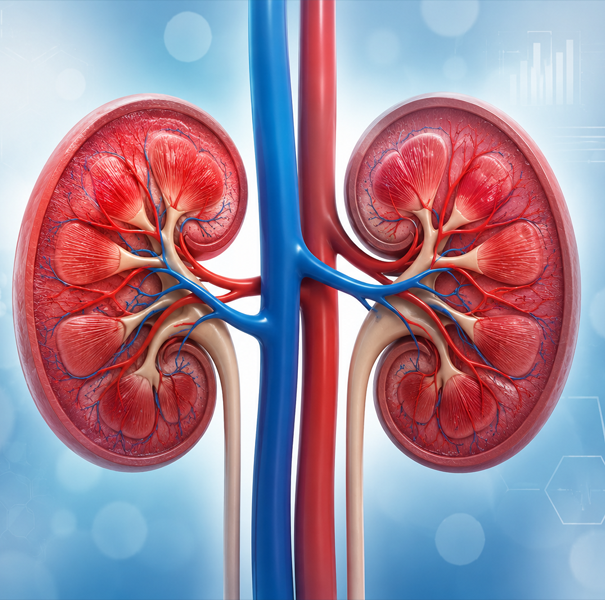
As kidney function declines, the organs produce less erythropoietin (EPO), leading to a decline in red blood cell production

Other Conditions

Blood loss, chronic infections or inflammation, and bone marrow disorders can also contribute to or trigger anemia
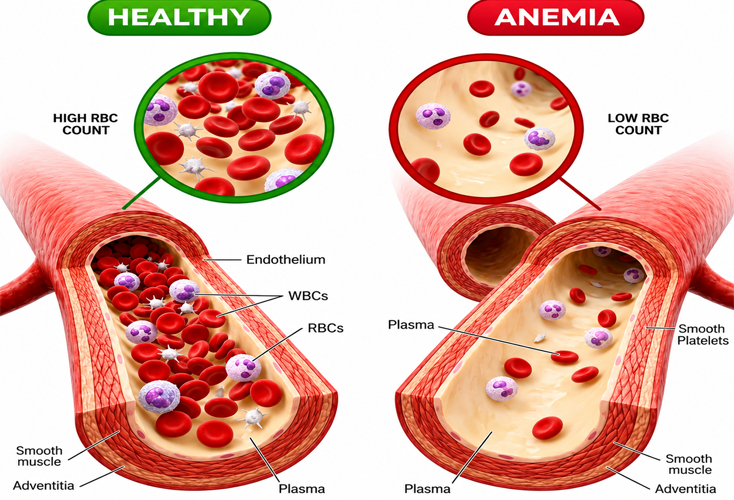
Anemia vs Healthy Blood comparison
Pathology

Anemia in Chronic Kidney Disease (CKD)

Kidney damage leads to anemia through direct hormonal and systemic pathways:

Hormonal and Systemic Impact

  • Erythropoietin (EPO) Production
    Healthy kidneys produce a hormone called Erythropoietin (EPO), which signals the bone marrow to produce red blood cells. When the kidneys become damaged, they produce less EPO, resulting in fewer red blood cells and the development of Anemia
  • Contributing Factors
    Other factors such as iron deficiency, chronic inflammation, and reduced red blood cell survival may also contribute to Anemia in CKD
  • Why Early Recognition Matters
    Anemia can develop gradually and may go unnoticed in the early stages of CKD Recognizing the symptoms early and undergoing regular monitoring can help identify Anemia before it significantly affects quality of life

Regular follow-up with a nephrologist and routine blood tests are important for patients living with chronic kidney disease

Management

Treatment Options

Treatment depends on the underlying cause of Anemia and may include:

Iron Therapy

Iron supplements may be given by orally or intravenously (IV) to replenish iron stores and support red blood cell production

Erythropoiesis-Stimulating Agents (ESAs)

ESAs help stimulate the bone marrow to produce more red blood cells and are commonly used in patients with CKD-related Anemia

Vitamin Supplementation

Vitamin B12 or folic acid may be prescribed when deficiencies are identified

Blood Transfusion

In severe cases or emergencies, a blood transfusion may be required to rapidly increase hemoglobin levels