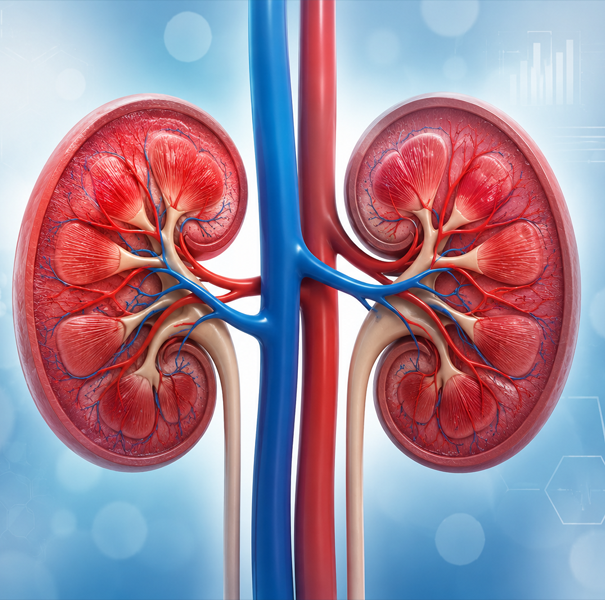
Dialysis is a life-saving treatment that performs some of the functions of healthy kidneys when they can no longer work effectively. It removes waste products, excess fluid and toxins from the blood while helping maintain the body's fluid and electrolyte balance
Although dialysis does not cure kidney disease, it helps people with advanced kidney failure live longer and maintain a better quality of life
When is Dialysis Needed?
Your doctor may recommend dialysis when the kidneys are no longer able to remove enough waste and excess fluid from the body. This usually occurs in Advanced Chronic Kidney Disease (CKD Stage 5) or in certain cases of Acute Kidney Injury (AKI)
“The decision to start dialysis is based on your overall health, kidney function, symptoms and laboratory test results”

Types of Dialysis
There are two main types of dialysis:
Hemodialysis (HD)
Hemodialysis uses a dialysis machine and a special filter (dialyzer) to remove waste products and excess fluid from the blood. Blood is taken from the body, cleaned through the machine and returned to the body. Hemodialysis is usually performed three times a week at a dialysis centre although home hemodialysis may be an option for some patients
Peritoneal Dialysis (PD)
Peritoneal dialysis uses the lining of the abdomen (peritoneum) as a natural filter. A special dialysis fluid is placed into the abdominal cavity through a catheter, where it absorbs waste products and excess fluid before being drained. Peritoneal dialysis can often be performed at home, providing greater flexibility and independence for suitable patients
Types of Peritoneal Dialysis (PD)
-
Continuous Ambulatory Peritoneal Dialysis (CAPD)
Continuous Ambulatory Peritoneal Dialysis (CAPD) is performed manually without the need for a machine. The dialysis fluid is exchanged several times during the day allowing patients to continue most of their normal daily activities -
Automated Peritoneal Dialysis (APD)
Automated Peritoneal Dialysis (APD) uses a cycler machine to perform the dialysis exchanges automatically usually while you sleep at night. This allows greater freedom during the daytime
Which Type of Dialysis is Right for You?
The choice depends on several factors including:
- Your overall health
- Lifestyle and Daily routine
- Kidney condition
- Home support
- Your doctor's recommendation
Your nephrologist will help you choose the most suitable treatment option
Possible Complications
Like any medical treatment, dialysis may have some risks including:
- Low blood pressure
- Muscle cramps
- Infection
- Access-related problems
- Fatigue after dialysis sessions
Most complications can be managed with regular monitoring and appropriate medical care
Kidney Transplantation
While dialysis is a life-saving treatment for kidney failure, it does not replace all the functions of a healthy kidney. For many suitable patients, a kidney transplant may offer a better quality of life, greater independence and improved long-term outcomes. Your Nephrologist can help determine whether kidney transplantation is the right treatment option for you